
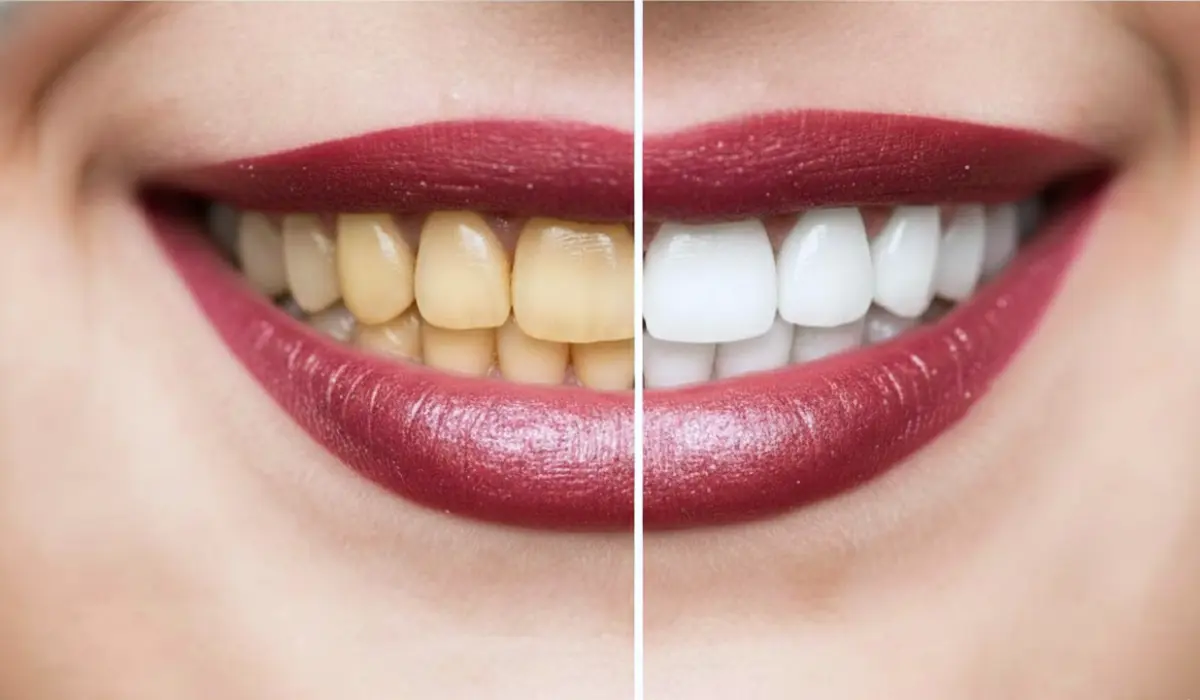
Medically reviewed by Dr. Yury Slepak, DDS – Diplomate, American Board of Pediatric Dentistry | 15+ Years Experience | Last Updated: March 2026
No, professional teeth whitening does not permanently damage enamel when performed correctly under dental supervision. The whitening agents used by dentists are carefully formulated and applied in controlled concentrations that lighten stains without harming tooth structure. However, overusing over-the-counter whitening products or using them incorrectly can cause temporary sensitivity and, in some cases, enamel erosion. This is why dentist supervision is especially important for teenagers whose enamel is still developing.
If you are a parent considering whitening for your teen, or an adult worried about protecting your teeth, this guide explains exactly what happens during whitening and how to keep enamel safe.
How Teeth Whitening Actually Works
Understanding the science behind whitening helps explain why it is safe when done properly.
Teeth whitening treatments use hydrogen peroxide or carbamide peroxide as the active ingredient. These whitening agents penetrate the outer enamel layer and reach the dentin beneath, which is where most staining occurs.
The whitening agent breaks down stain compounds through a process called oxidation. This chemical reaction lifts discoloration caused by coffee, tea, soda, red wine, tobacco, and natural aging.
Here is the key point: the whitening process does not erode or remove enamel. It works within the tooth structure to break apart stain molecules. When applied correctly and for the appropriate amount of time, the enamel remains intact.
The concentration of whitening agent and the duration of treatment determine both effectiveness and safety. This is why professional supervision matters. A dentist controls these variables to maximize results while protecting your teeth.
Why Professional Whitening Is Safer Than DIY Products
The difference between professional whitening and drugstore products comes down to control, customization, and supervision.
- Controlled concentration. Dentists use professional-grade whitening agents at concentrations tailored to your needs. Over-the-counter products use a one-size-fits-all approach with lower concentrations that may tempt users to overuse them for better results.
- Custom-fitted trays. Professional take-home whitening uses trays made from impressions of your teeth. These trays ensure the whitening gel stays on the teeth and away from the gums, preventing irritation and ensuring even coverage.
- Pre-treatment evaluation. Before any whitening, a dentist checks for cavities, cracks, gum disease, or enamel erosion. Whitening over existing dental problems can cause pain or worsen underlying issues. Over-the-counter products come with no such screening.
- Monitored treatment time. Leaving whitening agents on too long increases sensitivity and can affect enamel. Dentists provide specific instructions and monitor your progress to prevent overexposure.
“We use products designed for safety,” explains Dr. Yury Slepak, board-certified pediatric dentist at Bite Squad Dental of NYC. “By using low-concentration gels and monitoring tooth health before starting, we ensure safe results for younger patients.”
Can Whitening Strips Damage Your Teeth?
Whitening strips are the most popular over-the-counter option, but they come with risks that professional treatments avoid.
When used as directed, most whitening strips are considered safe for adults. The concentrations are lower than professional treatments, and the risk of serious damage is minimal with occasional use.
However, problems arise with overuse or improper application:
- Leaving strips on longer than directed hoping for faster results
- Using strips daily for extended periods
- Applying strips unevenly, causing patchy whitening
- Strips contacting gums and causing irritation or chemical burns
- Ignoring sensitivity and continuing treatment
For teenagers, the risks are higher. Teen enamel is thinner and still maturing. Teens may also be more likely to overuse products in pursuit of faster results. Without professional guidance, they may not recognize the signs of overwhitening or know when to stop.
If your teen wants whiter teeth, dentist-supervised whitening provides better results with less risk than letting them experiment with drugstore strips.
Signs You May Be Overwhitening Your Teeth
Knowing the warning signs helps you stop treatment before any lasting effects occur. These symptoms are typically reversible if caught early.
- Increased tooth sensitivity. If your teeth become sensitive to hot, cold, or sweet foods and drinks during or after whitening, you may be overdoing it. Some sensitivity is normal, but severe or persistent sensitivity is a warning sign.
- Gum irritation. White, irritated, or painful gums indicate that whitening gel is contacting soft tissue. This is more common with ill-fitting over-the-counter trays or strips.
- Translucent or grayish edges. If the edges of your teeth start to look see-through or take on a grayish hue, the enamel may be thinning. This is a sign to stop whitening immediately and see a dentist.
- Uneven coloring or white spots. Splotchy results or new white spots can indicate uneven application or areas where enamel is reacting differently to the whitening agent.
- Teeth that appear yellower despite whitening. This counterintuitive sign can indicate that enamel is wearing thin, allowing more of the yellow dentin layer to show through.
If you notice any of these symptoms, stop whitening and schedule a dental evaluation.
Is Teeth Whitening Safe for Teenagers?
This is the question most parents ask, and the answer depends on how whitening is done.
- Teen enamel is thinner and still maturing. The enamel layer continues to develop throughout adolescence. Thinner enamel means whitening agents can penetrate more deeply, increasing the risk of sensitivity.
- The tooth pulp is larger in younger teeth. The pulp contains nerves and blood vessels. A larger pulp chamber means whitening agents have a shorter distance to travel before potentially causing discomfort.
- Teens may be more likely to overuse products. The desire for quick results can lead to leaving strips on too long, using products too frequently, or ignoring sensitivity.
- Professional supervision is essential for teen patients. A pediatric dentist can evaluate whether your teen’s enamel is mature enough for whitening, recommend appropriate concentrations, and monitor for any adverse effects.
At Bite Squad Dental of NYC, we recommend starting whitening treatments around age 14 to 16, once permanent teeth have fully erupted. We evaluate each teen individually because development varies.
“Is whitening safe for teens? Yes, under professional supervision,” says Dr. Slepak. “We use products designed for safety and ensure the enamel is ready before starting any treatment.”
Who Should Avoid Teeth Whitening?
Whitening is not appropriate for everyone. A dental evaluation can identify whether you or your teen should postpone or skip whitening.
- Children under 14. Enamel is typically not mature enough for whitening in younger children. We recommend waiting until all permanent teeth have erupted and enamel development is more complete.
- People with untreated cavities or gum disease. Whitening agents can penetrate cavities and reach the tooth pulp, causing significant pain. Gum disease makes soft tissue more vulnerable to irritation. These conditions must be treated before whitening.
- Those with extremely sensitive teeth. If you already experience significant sensitivity, whitening may make it worse. Desensitizing treatments before and after whitening can help, but some patients may not be good candidates.
- Anyone with dental restorations on front teeth. Crowns, veneers, and fillings do not whiten. If you have restorations on visible teeth, whitening your natural teeth may create an uneven appearance.
- Pregnant or breastfeeding women. While there is no strong evidence of harm, most dentists recommend postponing elective whitening during pregnancy and breastfeeding as a precaution.
A consultation before whitening ensures you get appropriate recommendations based on your specific situation.
How to Protect Your Enamel During Whitening
Following these guidelines helps you achieve whiter teeth without compromising enamel health.
- Choose professional whitening. Dentist-supervised treatments, whether in-office or take-home trays, offer the safest approach. The dentist controls the concentration, monitors your progress, and addresses any issues immediately.
- Follow instructions exactly. If you use take-home trays, wear them for the recommended time only. More is not better. Longer application does not produce faster results and increases risk.
- Use sensitivity toothpaste. Starting a sensitivity toothpaste containing potassium nitrate or fluoride a week before whitening can help reduce discomfort. Continue using it during and after treatment.
- Do not whiten too frequently. Most people should wait 6 to 12 months between whitening treatments. Touch-up treatments with lower concentrations may be used more often, but only as directed by your dentist.
- Avoid acidic foods and drinks during whitening. Your enamel is temporarily more porous after whitening. Acidic foods like citrus, tomatoes, and soda can cause additional sensitivity. Avoid them for 48 hours after each treatment.
- Attend follow-up appointments. If your dentist schedules a check-in during your whitening process, keep the appointment. This allows them to assess how your teeth are responding and adjust the treatment if needed.
Safe Teeth Whitening for Teens at Bite Squad Dental of NYC
At Bite Squad Dental of NYC, we specialize in pediatric and adolescent dentistry. Dr. Yury Slepak is a board-certified pediatric dentist with over 20 years of experience caring for children’s and teens’ smiles in Brooklyn.
We understand that parents want their teens to feel confident, but safety comes first. Our approach to teen whitening includes:
- Thorough evaluation of enamel maturity before recommending treatment
- Custom-fit take-home trays with pediatric-safe, low-concentration gels
- Clear instructions and follow-up to monitor progress
- Pre-treatment for sensitivity if needed
- Honest recommendations, including when waiting is the better choice
With over 1,950 five-star Google reviews, Brooklyn families trust us for gentle, effective care. Our office at 2464 Coney Island Ave is designed to make teens feel comfortable, with a team that understands young patients.
Wondering if whitening is safe for your teen? Call us at 718-998-2424 to schedule a consultation. We will evaluate your teen’s teeth and provide honest guidance on whether whitening is appropriate and how to do it safely.
Frequently Asked Questions
Does teeth whitening weaken enamel permanently?
No. When done correctly under dental supervision, whitening does not cause permanent enamel damage. Any temporary effects like sensitivity typically resolve within a few days after treatment ends.
How often is it safe to whiten your teeth?
Most people should wait 6 to 12 months between full whitening treatments. Touch-up treatments may be done more frequently with lower concentrations as recommended by your dentist.
Are whitening strips safe for a 15-year-old?
Over-the-counter strips are not ideal for teenagers because they lack professional supervision. A dentist can evaluate whether your teen is ready for whitening and provide a safer, more effective option.
What is the safest teeth whitening method?
Professional whitening supervised by a dentist, either in-office treatment or custom take-home trays, is the safest method. The dentist controls the concentration, protects your gums, and monitors for any issues.
Can damaged enamel from whitening be repaired?
Enamel cannot regenerate once lost. However, most whitening-related issues are temporary sensitivity, not actual enamel loss. If you experience signs of enamel damage, see a dentist immediately. Fluoride treatments and remineralizing products can help strengthen remaining enamel.
About the Author
Dr. Yury Slepak is a board-certified pediatric dentist at Bite Squad Dental in Brooklyn who has overseen hundreds of professional whitening treatments and closely monitors enamel health throughout the process. With over 15 years of experience, he addresses patient concerns about enamel damage with evidence-based guidance and selects whitening products that prioritize tooth safety.
Disclaimer
Medically reviewed by Dr. Yury Slepak, DDS.
This content is for educational purposes only and is not intended as medical advice, diagnosis, or treatment. Please consult a qualified healthcare provider for personalized recommendations.