









Dr. Yury Slepak, DDS
Board-certified pediatric dentist, Diplomate of the American Board of Pediatric Dentistry
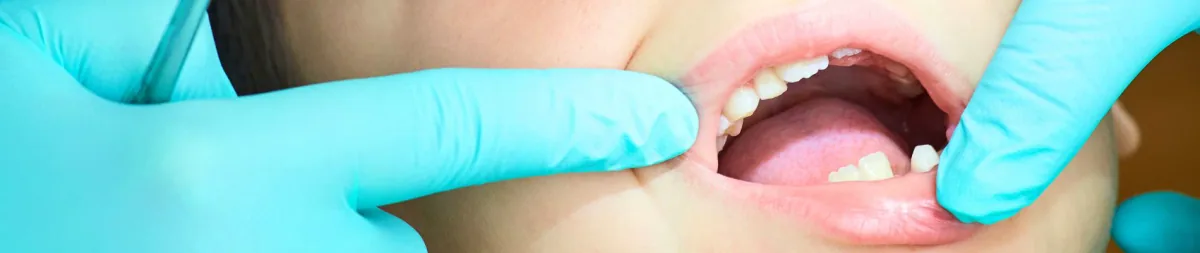
Teeth grinding is a common condition that many parents may not notice right away. While often harmless, it can sometimes affect a child's oral health and well-being. Early identification and care can help prevent potential complications and ensure your child maintains a healthy smile. To learn more about teeth grinding, contact us. You can also visit our clinic at 2464 Coney Island Ave, Brooklyn, NY 11223.
Dr. Slepak is a pediatric dentist with over a decade of experience. Immediately following his graduation from the New York University College of Dentistry with Honors, Dr. Slepak continued his training at Maimonides Medical Center in the Pediatric Dentistry Residency Program.
During his training, he mastered his knowledge and skills in the treatment of children of all ages.
Teeth grinding, also called bruxism, happens when a child grinds or clenches their teeth. It can happen during the day or while they sleep. This grinding often makes a scraping or squeaking sound, which parents may notice at night.
Bruxism is relatively common in children and often begins during early childhood, typically between the ages of 3 and 7. However, the onset can vary depending on individual factors.
There are many reasons why children might grind their teeth. Here are the most common ones:
Kids might grind their teeth when they feel nervous, upset, or stressed. It can be their body's way of releasing tension, especially during sleep.
Misaligned teeth may contribute to teeth grinding in some children. A dentist can evaluate your child's bite to determine if this is a contributing factor.
Children with trouble sleeping, like snoring or sleep apnea, are more likely to grind their teeth. Sleep issues can make their body work harder while they rest.
Some kids with lots of energy during the day may also grind their teeth. Hyperactivity can carry over into their sleep, making their jaws more active at night.
Medical problems like cerebral palsy or side effects from medicines can sometimes lead to teeth grinding. A dentist or doctor can help if this is the case.
Children's jaws are still growing and changing. Grinding might happen as the jaw adjusts and new teeth come in.
You might hear a scraping or squeaking noise when your child is sleeping. This is one of the most noticeable signs.
If your child's teeth look flat or shorter than normal, it could be from grinding. Grinding can wear away the surface of their teeth.
Your child might say their jaw feels sore or tired, especially in the morning. This can happen from the extra pressure of grinding.
Teeth grinding can cause tension in the head and neck. This might lead to headaches when your child wakes up.
Grinding can make teeth sensitive to hot or cold food and drinks. The enamel gets thinner, exposing the sensitive layers inside the teeth.
Grinding often happens during sleep. It might make your child toss and turn, leading to poor sleep.
If your child bites the inside of their cheeks or tongue, it might be because they are grinding their teeth.
If your child grinds their teeth, there are ways to help them. Here are the treatment options that can work:
A dentist can create a custom night guard for your child to wear while they sleep. This can help reduce the risk of damage caused by grinding.
If teeth grinding is caused by misaligned teeth, braces or retainers may be used to correct the bite. Proper alignment can reduce the stress on the jaw and eliminate the grinding habit over time.
Jaw-focused physical therapy involves exercises that target the muscles around the jaw. A physical therapist can teach stretching and relaxation techniques to help alleviate tension associated with teeth grinding.
Create a Calming Bedtime Routine
Help your child relax before bed by reading a story or listening to soft music. A calm mind can reduce the chances of teeth grinding at night.
Reduce Stress During the Day
Talk to your child about their feelings and teach them to manage stress. Fun activities like drawing or playing outside can help them feel better.
Avoid Caffeine in Drinks or Snacks
Minimize your child's consumption of caffeinated beverages or snacks, such as sodas, chocolate, or energy drinks. This is because these beverages or snacks can increase restlessness and contribute to teeth grinding.
Promote Relaxation Exercises
Teach your child to do simple exercises like deep breathing. This can help them relax their muscles and avoid clenching their jaws.
Board-certified pediatric dentist, Diplomate of the American Board of Pediatric Dentistry
Board-certified pediatric dentist
Call (718) 998-2424 or request an appointment online.
Request a Free ConsultationIf your child is grinding their teeth, our skilled team is here to help! We specialize in identifying and treating teeth grinding in kids to protect their smiles and improve their comfort. Visit us at 2464 Coney Island Ave, Brooklyn, NY 11223, or call us today to schedule a consultation. Let's care for your child's dental health together!
Bite Squad Dental of NYC is located at 2464 Coney Island Avenue, Brooklyn, NY 11223, and we help families manage teeth grinding and bruxism across Sheepshead Bay, Brighton Beach, Coney Island, Gravesend, Bensonhurst, Midwood, Flatbush, Borough Park, Canarsie, and Bay Ridge. If you have noticed grinding sounds at night, worn-down teeth, or jaw discomfort, Dr. Slepak and our team are here to help.
Worried about your child's grinding?
Call us to schedule a gentle teeth grinding evaluation.
Teeth grinding may have a genetic component, as studies suggest it can run in families. However, environmental and behavioral factors also play a role.
Yes, a diet high in sugar or caffeine can sometimes make teeth grinding worse. Offering healthy snacks can help.
Allergies may sometimes contribute to discomfort or mild airway obstruction, which can lead to teeth grinding during sleep. Addressing allergy symptoms can help alleviate grinding in such cases.
✓ Medically reviewed by Dr. Yury Slepak, DDS, Board-Certified Pediatric Dentist | 20+ Years Experience | Last Updated: April 2026
Medical Disclaimer: This information is provided for educational purposes and is not a substitute for professional medical advice, diagnosis, or treatment. Please schedule a consultation with our team to discuss your individual needs.