






Medically reviewed by Dr. Yury Slepak, DDS, Diplomate, American Board of Pediatric Dentistry | 20+ Years Experience | Last Updated: September 2026
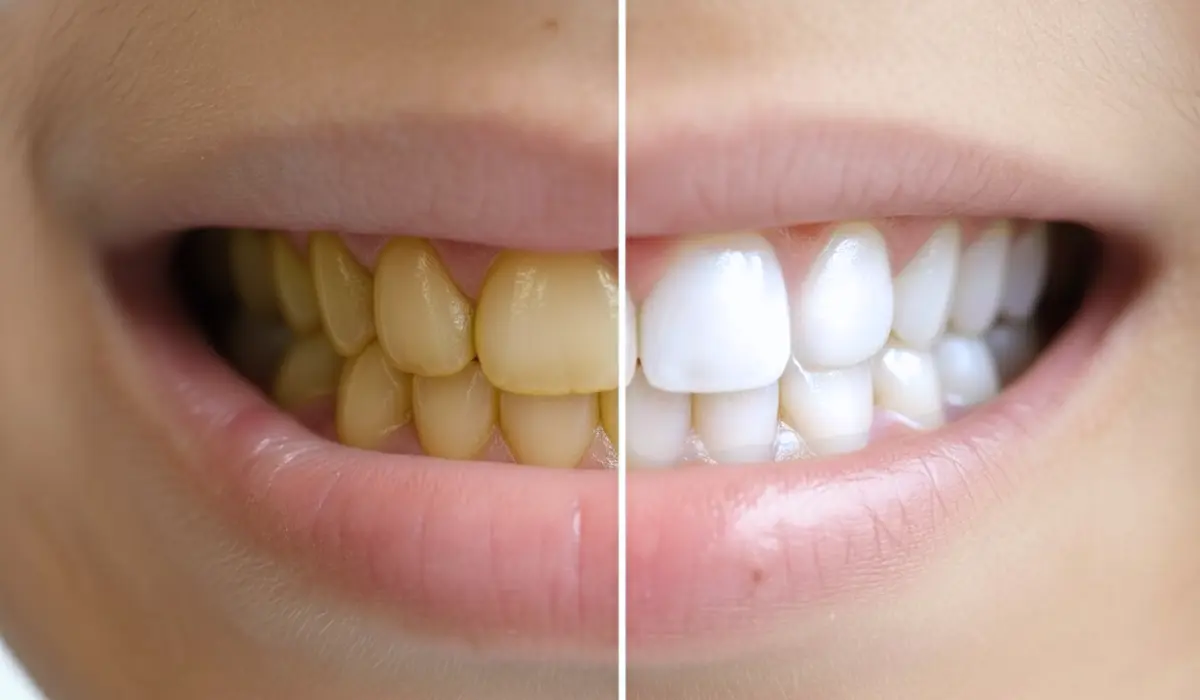
No, whitening strips are not recommended for children who are 12 or 13. Most strip manufacturers print a "not for use under 12" warning, and the American Academy of Pediatric Dentistry advises waiting until all permanent teeth have erupted and enamel has matured. By age 14 many teens can use strips occasionally with caution, but a custom dentist tray is safer and more even. Here is the age-by-age breakdown.
At-a-Glance: Are Whitening Strips Safe at 12, 13, or 14?
| Age | Whitening strips? | Why |
|---|---|---|
| 12 | Not recommended | Permanent teeth still erupting; enamel thin and porous; below most package age limits |
| 13 | Not recommended | Enamel still maturing; larger tooth pulp raises sensitivity risk; uneven results likely |
| 14 | With caution, if teeth are healthy | Molars usually finished erupting and enamel more mature; professional trays still safer |
| 15 to 16 | Generally acceptable | Enamel typically mature; occasional strip use is reasonable, dentist trays give better results |
This is a general guide. The right age depends on your child's own dental development, which is why a quick exam matters before any whitening starts.
Bite Squad Dental of NYC offers safe teeth whitening for teens in Brooklyn, after an exam confirms the enamel is ready.
Why Whitening Strips Are Not Recommended Before Age 14
Store-bought strips are formulated for adult teeth in adult-sized mouths. Four things make them a poor fit for younger children.
- Permanent teeth are still coming in. Most kids do not have all their adult teeth, including the second molars, until age 12 to 14. Whitening before every tooth is in leaves you with mismatched shades as new teeth erupt in their natural color.
- Enamel keeps hardening through the mid-teens. Younger enamel is thinner and more porous, so it absorbs bleaching agents faster and is more likely to react with sensitivity.
- The tooth pulp is larger in young teeth. The pulp holds the nerve and blood supply. In a 12- or 13-year-old it sits closer to the surface, so whitening gel has a shorter path before it causes discomfort or sensitivity.
- One-size strips do not seal well on smaller mouths. Gel that slips onto the gums can cause irritation or minor chemical burns.
The American Academy of Pediatric Dentistry notes that most whitening research was done on adults, with little published evidence on children. Full-arch bleaching during the mixed-dentition stage (when baby and adult teeth are both present) tends to produce uneven color once the permanent teeth are all in.
What Changes at Age 14: Enamel Matures and the Molars Finish Erupting
Age 14 is the common turning point for a reason. By this age most teens have their second molars in place and enamel has hardened enough to handle a mild bleaching agent with less risk of sensitivity. That is why 14 is the youngest age most dentists will consider whitening, and why strip packaging usually clears teens 14 and older for occasional, careful use.
Readiness still varies. Some 13-year-olds finish erupting early and could be candidates sooner; some 15-year-olds have sensitivity or fluorosis that means waiting is smarter. A dentist can check enamel maturity that parents cannot see by eye.
If Your 14-Year-Old Wants to Use Strips, Follow These Rules
For a healthy 14-year-old with all permanent teeth in, occasional strip use following the package directions is generally considered acceptable. Reduce the risk by keeping these guardrails.
- Get a dental check first. Strips over an untreated cavity can cause sharp pain as the gel penetrates the tooth. Any decay or gum disease needs to be handled before whitening.
- Buy strips with the ADA Seal of Acceptance. The seal means the product met independent safety and effectiveness testing.
- Never exceed the printed time or frequency. Teens chasing faster results are the most likely to overuse strips, which is when sensitivity and enamel demineralization show up.
- Stop at the first sign of real pain. Mild, short-lived sensitivity can be normal. Sharp or lasting pain means stop and call the dentist.
- Wipe gel off the gums. If the strip overlaps onto soft tissue, remove the excess to avoid irritation.
Why a Custom Dentist Tray Beats Drugstore Strips for Teens
A professional take-home tray solves the exact problems that make strips risky for younger patients.
- A dentist checks for cavities and gum issues before any gel touches a tooth.
- The tray is molded to your teen's mouth, so gel covers every tooth evenly and stays off the gums.
- The gel concentration is chosen for a younger patient, not an adult.
- Treatment is monitored, so sensitivity gets caught early.
- Results are more predictable and last longer than strips.
"We recommend starting whitening treatments around age 14 to 16, once permanent teeth have fully erupted," says Dr. Yury Slepak, board-certified pediatric dentist at Bite Squad Dental of NYC. "We use custom-fit whitening trays with pediatric-safe gels and low-concentration formulas to ensure safe results for younger patients."
Take-home trays cost more upfront than a box of strips, but they buy a safer, more even result that holds. If cost is a worry, ask about it directly at the consultation.
Safer Ways to Brighten a Younger Child's Teeth Before They Can Whiten
If your 12- or 13-year-old is self-conscious about tooth color, several approaches help without bleaching immature enamel.
- A professional cleaning. Removing plaque, tartar, and surface stains often brightens teeth noticeably on its own.
- Better brushing technique. Many kids rush. A full two minutes, twice a day, cuts down the surface staining that makes teeth look dull.
- Fewer staining drinks. Soda, sports drinks, and dark juices leave color behind. Rinsing with water after helps.
- ADA-accepted whitening toothpaste. The mild abrasives lift surface stains safely, with subtle results.
- Waiting a year or two. Teeth that look yellow at 11 often look better at 14 as enamel matures.
- Cosmetic bonding for one dark tooth. If a single tooth is discolored from an injury or medication, bonding covers it without bleaching the rest.
Signs Your Teen Is Actually Ready to Whiten
Age is only part of the picture. Look for these before saying yes.
- All permanent teeth are in, including the second molars.
- No active cavities or gum disease.
- Good daily brushing and flossing habits are already in place.
- Your teen is responsible enough to follow tray or strip timing exactly.
- Expectations are realistic. Whitening brightens teeth; it does not create a filter-white smile.
- The goal is cosmetic. Discoloration from decay, trauma, or medication needs a diagnosis first, not bleach.
What a Teen Whitening Consultation at Bite Squad Dental Looks Like
At Bite Squad Dental of NYC we involve both the parent and the teen so everyone understands the plan. A visit usually includes:
- A full exam of the teeth and gums to rule out cavities or gum disease.
- X-rays if there is any question about whether all permanent teeth are in.
- A look at what is causing the staining, since surface stains and intrinsic discoloration respond differently.
- An honest read on enamel readiness, including recommending a wait if that is the safer call.
- Custom-fit take-home trays with pediatric-safe, low-concentration gel when a teen is ready.
- Clear aftercare for both teen and parent.
Dr. Yury Slepak is a board-certified pediatric dentist with over 20 years caring for children's smiles in Brooklyn, and our office at 2464 Coney Island Avenue serves families across Sheepshead Bay, Brighton Beach, Coney Island, Gravesend, Bensonhurst, Midwood, and Bay Ridge.
Frequently Asked Questions
Can a 12-year-old use whitening strips?
No. Most whitening strips carry a "not for use under 12" warning, and pediatric dentists advise against them because a 12-year-old's permanent teeth are often still erupting and the enamel is thin and porous. Whitening at this age risks sensitivity and uneven color. A professional cleaning is a safer way to brighten a 12-year-old's smile.
Can a 13-year-old use whitening strips?
Whitening strips are generally not recommended at 13. Enamel is still maturing and the tooth pulp sits closer to the surface, which raises the chance of sensitivity. If your 13-year-old is bothered by tooth color, see a dentist to identify the cause and discuss safer options before any bleaching.
Are whitening strips safe for a 14-year-old?
For a healthy 14-year-old whose permanent teeth have fully erupted, occasional strip use following the package directions is generally considered acceptable. A dental check first is important to rule out cavities or gum disease, and a custom dentist tray remains the safer, more even choice.
Should I let my teen use Crest White Strips or other drugstore strips?
For teens 14 and older with healthy teeth, occasional use following the directions may be acceptable, ideally with a product carrying the ADA Seal of Acceptance. Professional take-home trays are safer and more effective because they fit the mouth exactly and use a concentration chosen for a younger patient. Check with your dentist first.
What is the youngest age for professional teeth whitening?
Most dentists start around age 14, once permanent teeth are usually in and enamel has matured. Some teens are candidates a little earlier and some should wait longer, so a short evaluation determines the right time for your child.
Can whitening damage a child's developing teeth?
Done correctly under professional supervision, whitening does not damage developing teeth. The risk rises with drugstore products used without guidance or when whitening is done before enamel matures, which can lead to sensitivity, gum irritation, or enamel demineralization.
Talk to a Brooklyn Pediatric Dentist Before Your Teen Whitens
If your 12, 13, or 14-year-old is asking about whitening strips, a short consultation answers the "is my child ready" question with an actual exam instead of a guess. Call Bite Squad Dental of NYC at 718-998-2424 or request an appointment online. We will evaluate your teen's dental development and recommend the safest approach for their age.
Sources
- American Academy of Pediatric Dentistry, Policy on the Use of Dental Bleaching for Child and Adolescent Patients: aapd.org
- American Dental Association, MouthHealthy, Whitening: mouthhealthy.org
- Colgate Oral Care Center, Whitening Strips: Safe for Kids and Teens?: colgate.com
About the Author
Dr. Yury Slepak is a board-certified pediatric dentist at Bite Squad Dental in Brooklyn who carefully evaluates teens for whitening readiness based on their dental maturity and enamel health. With over 20 years of experience, he advises families on the safest age to begin whitening treatments and creates personalized plans that protect developing teeth.