








Dr. Yury Slepak, DDS
Board-certified pediatric dentist, Diplomate of the American Board of Pediatric Dentistry

Many childhood habits start as comforting, instinctive behaviors. Thumb sucking, pacifier use, teeth grinding, and mouth breathing are all common in young kids, and most are harmless early on. When they continue past the right age, though, they can begin to shape the teeth, jaw, and bite. The guides below explain what to watch for and how our team can help your child grow a healthy smile.
Dr. Slepak is a pediatric dentist with over a decade of experience. Immediately following his graduation from the New York University College of Dentistry with Honors, he continued his training at Maimonides Medical Center in the Pediatric Dentistry Residency Program, where he mastered the treatment of children of all ages.
Some habits soothe a child, while others are simply automatic. Spotting them early, and understanding when a habit needs attention, helps protect your child's teeth, jaw growth, and bite as they develop. Explore each guide below to learn the signs, the effects on oral health, and the gentle, child-friendly support our team offers.
Thumb-sucking is a natural reflex for many babies and young children. It provides comfort, helps them feel secure, and often soothes them during stressful moments. While this habit is normal in infancy, prolonged thumb-sucking beyond the toddler years can lead to dental and oral development issues. If you are concerned about your child's thumb-sucking habit, visit our clinic at 2464 Coney Island Ave, Brooklyn, NY 11223, to explore child-friendly solutions.
Read More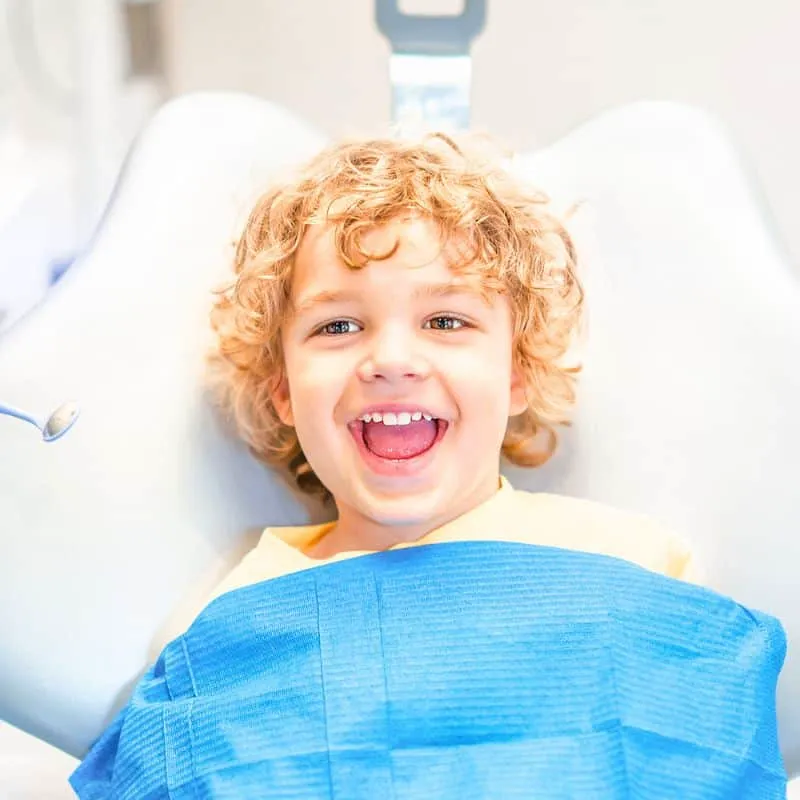
As parents, ensuring your child's health often begins with the basics: feeding and soothing. While pacifiers and bottles can be lifesavers in calming your baby and supporting nutrition, they play a significant role in shaping oral development. Prolonged or improper use of these tools can lead to dental issues.
At our clinic, we help parents make informed and smart choices about pacifiers and bottles. Contact us or visit our clinic at 2464 Coney Island Ave, Brooklyn, NY 11223 to learn more.
Read More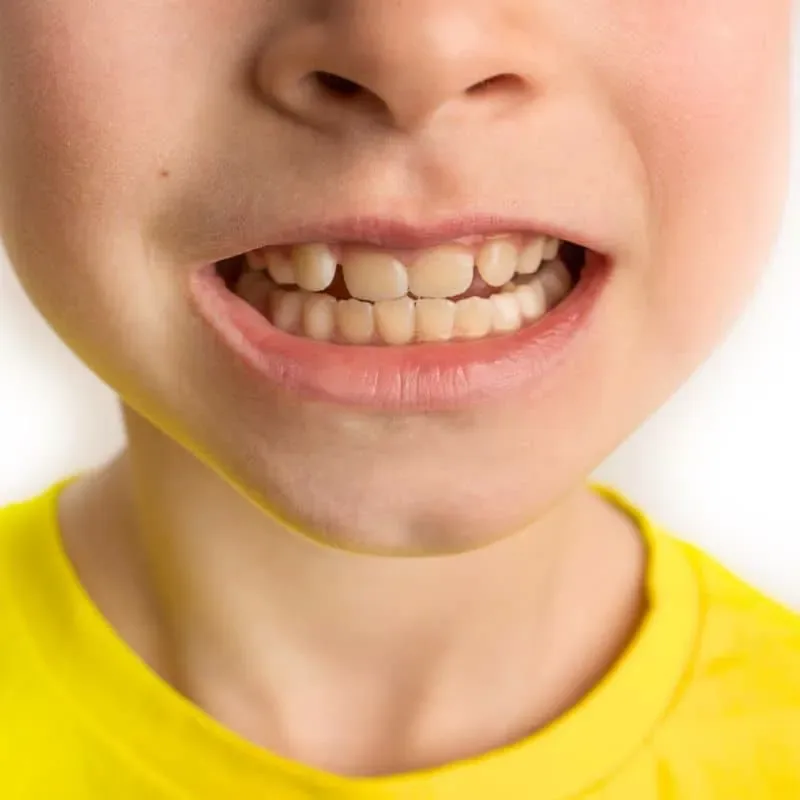
Teeth grinding is a common condition that many parents may not notice right away. While often harmless, it can sometimes affect a child's oral health and well-being.
Early identification and care can help prevent potential complications and ensure your child maintains a healthy smile. To learn more about teeth grinding, contact us. You can also visit our clinic at 2464 Coney Island Ave, Brooklyn, NY 11223.
Read More
For children, nasal breathing is essential for proper oxygen intake, healthy facial development, and overall well-being. However, habitual mouth breathing can disrupt these processes. This, in turn, can significantly affect their oral and general health. If your child shows signs of mouth breathing, visit our clinic at 2464 Coney Island Ave, Brooklyn, NY 11223. Our specialists provide personalized solutions to support your child's needs.
Read MoreMost children outgrow these habits on their own. The right time to act is when a habit lingers past the toddler years or starts to affect the way the teeth meet, the jaw grows, or the child breathes and sleeps. A few signs are worth a closer look:
Changes to the bite or teeth
Front teeth that flare outward, an open bite where the upper and lower teeth do not meet, or crowding can follow prolonged thumb sucking or pacifier use.
Worn or sensitive teeth
Grinding can flatten the chewing surfaces over time and leave teeth more sensitive, even when your child does not complain of pain.
Mouth breathing and sleep
Frequent open-mouth breathing, snoring, or restless sleep can affect oral health and facial development and deserves a professional evaluation.
A habit that will not stop
If gentle encouragement at home has not worked, our team can offer supportive, child-friendly strategies tailored to your child's age and comfort.
Catching these patterns early often means simpler, gentler care. If you are unsure whether a habit needs attention, our team is happy to take a look and put your mind at ease.
Every child develops at their own pace, and so do their habits. At Bite Squad Dental of NYC, we help parents understand what is normal, what to watch for, and how to support a healthy smile at every stage. If you have questions about thumb sucking, pacifier use, teeth grinding, or mouth breathing, contact our team to schedule a visit at 2464 Coney Island Ave, Brooklyn, NY 11223.
Board-certified pediatric dentist, Diplomate of the American Board of Pediatric Dentistry
Board-certified pediatric dentist
Call (718) 998-2424 or request an appointment online.
Request a Free ConsultationBite Squad Dental of NYC is located at 2464 Coney Island Avenue, Brooklyn, NY 11223, and we support families across Sheepshead Bay, Brighton Beach, Coney Island, Gravesend, Bensonhurst, Midwood, Flatbush, Borough Park, Canarsie, and Bay Ridge. If your child has a thumb-sucking, pacifier, teeth-grinding, or mouth-breathing habit you would like checked, our team is here to help.
Wondering about your child's habit?
Call us to schedule a gentle, kid-friendly evaluation.
✓ Medically reviewed by Dr. Yury Slepak, DDS, Board-Certified Pediatric Dentist | 20+ Years Experience | Last Updated: June 2026
Medical Disclaimer: This information is provided for educational purposes and is not a substitute for professional medical advice, diagnosis, or treatment. Please schedule a consultation with our team to discuss your individual needs.