
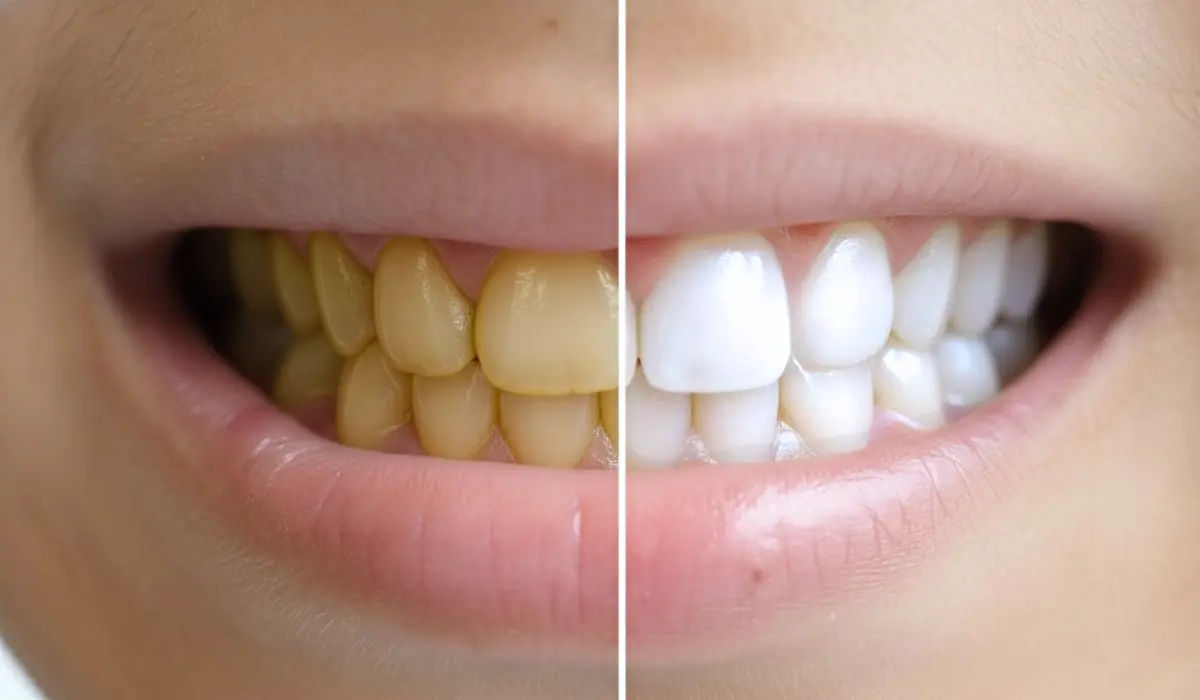
Most dentists recommend waiting until age 14 or older before considering teeth whitening for children, as this is typically when all permanent teeth have fully erupted and enamel has matured enough to safely handle whitening agents. However, the right age varies by child. Some may be ready at 13, while others should wait until 16. A pediatric dentist can evaluate your child’s individual dental development and recommend the safest approach for their specific situation.
If your child or teenager has been asking for whiter teeth, you are probably wondering whether it is safe and when the right time might be. This guide covers everything parents need to know about teen teeth whitening, from readiness signs to safe treatment options.
Why Dentists Recommend Waiting Until Age 14
The recommendation to wait until age 14 is based on how teeth develop during childhood and adolescence.
- Permanent teeth usually finish erupting by age 12 to 14. Most children have all their adult teeth, including the second molars, by this age. Whitening before all permanent teeth are in can result in uneven coloring as new teeth come in with their natural shade.
- Enamel continues developing through the mid-teens. Even after permanent teeth erupt, enamel continues to harden and mature. Younger enamel is thinner and more porous, making it more susceptible to sensitivity and potential damage from whitening agents.
- The tooth pulp is larger in younger teeth. The pulp contains the nerves and blood vessels inside each tooth. In children and young teens, the pulp chamber is larger, meaning whitening agents have a shorter distance to travel before potentially causing discomfort.
- Risk of sensitivity increases with immature enamel. Younger patients are more likely to experience significant sensitivity during and after whitening. Waiting until enamel matures reduces this risk.
This recommendation comes from the American Academy of Pediatric Dentistry (AAPD), which advises against whitening until all adult teeth have fully erupted. However, the exact right age depends on your individual child’s development, which is why a dental evaluation is essential before any whitening treatment.
Can a 12 or 13 Year Old Whiten Their Teeth?
Some children may be candidates for whitening before age 14, but this requires careful evaluation by a pediatric dentist.
Factors that may allow earlier whitening:
- All permanent teeth have erupted (including second molars)
- No active cavities or gum disease
- Enamel appears healthy and adequately developed
- The child is mature enough to follow instructions
- There is a specific reason for whitening (such as severe staining affecting confidence)
Why professional supervision is critical at this age:
- A dentist can assess enamel maturity that parents cannot see
- Lower-concentration whitening agents can be used
- Treatment can be monitored for any adverse reactions
- Custom trays prevent gel from contacting gums
Over-the-counter products are not recommended for pre-teens. Whitening strips and drugstore kits are designed for adults. Without professional guidance, younger children may overuse products or leave them on too long, increasing the risk of sensitivity and enamel damage.
“We recommend starting whitening treatments around age 14 to 16, once permanent teeth have fully erupted,” says Dr. Yury Slepak, board-certified pediatric dentist at Bite Squad Dental of NYC. “We use custom-fit whitening trays with pediatric-safe gels and low-concentration formulas to ensure safe results for younger patients.”
If your 12 or 13-year-old is asking about whitening, schedule a consultation. The dentist can evaluate their readiness and recommend whether to proceed or wait.
Signs Your Teen Is Ready for Teeth Whitening
Beyond age, several factors indicate whether your teenager is a good candidate for whitening.
- All permanent teeth have come in. Check that your teen has their second molars (usually the last teeth to erupt). If teeth are still coming in, whitening should wait.
- No active cavities or gum disease. Whitening over cavities can cause significant pain as the whitening agent penetrates into the tooth. Gum disease makes soft tissue more vulnerable to irritation. Any dental issues must be treated first.
- Good oral hygiene habits are established. Teens who brush thoroughly twice daily and floss regularly are better candidates. Good habits also help maintain whitening results longer.
- Maturity to follow instructions. Take-home whitening requires wearing trays for specific time periods and avoiding certain foods afterward. Your teen needs to be responsible enough to follow these instructions correctly.
- Realistic expectations about results. Whitening brightens teeth but does not make them unnaturally white. Teens expecting dramatic transformations may be disappointed. A consultation helps set appropriate expectations.
- Whitening is for cosmetic reasons, not to mask a dental problem. If discoloration is caused by decay, injury, or medication, whitening may not be the right solution. The dentist should identify the cause before recommending treatment.
Alternatives to Whitening for Younger Children
If your child is too young for whitening but is concerned about the color of their teeth, several options can help without the risks of bleaching agents.
- Professional dental cleaning. A thorough cleaning removes plaque, tartar, and surface stains that make teeth appear dull. Many children see noticeable improvement in tooth color after a cleaning.
- Improved brushing technique. Children often rush through brushing or miss areas. Teaching proper technique, including brushing for a full two minutes, can reduce surface staining over time.
- Reducing staining foods and drinks. Limiting soda, sports drinks, fruit juices, and candy reduces new stain formation. If your child consumes these, encourage rinsing with water afterward.
- Whitening toothpaste. These toothpastes contain mild abrasives that help remove surface stains. Results are subtle but safe for regular use. Look for products with the ADA Seal of Acceptance.
- Waiting. Sometimes the best option is simply to wait. As your child gets older, their enamel matures and whitening becomes safer. Teeth that look yellow at 11 may look better at 14 as enamel development progresses.
- Cosmetic bonding for severe discoloration. If a single tooth is severely discolored from injury or medication, cosmetic bonding can cover the stain without bleaching. This is safer for young teeth than whitening.
Risks of Whitening Too Young
Understanding the risks helps parents make informed decisions about when to allow their child to whiten.
- Increased tooth sensitivity. Young teeth with thinner enamel are more prone to sensitivity during and after whitening. In some cases, sensitivity can be severe and last for days.
- Potential enamel effects. While professional whitening does not damage mature enamel, the effects on still-developing enamel are less certain. Waiting until enamel matures reduces any potential risk.
- Uneven results. If some permanent teeth have not yet erupted, whitening can result in mismatched shades as new teeth come in with their natural color.
- Gum irritation. Over-the-counter products often do not fit properly on smaller teen mouths. Ill-fitting trays or strips can cause whitening gel to contact gums, leading to irritation or chemical burns.
- Overuse risk. Teens eager for results may use products more frequently or for longer than directed. Without professional guidance, this can lead to enamel damage or severe sensitivity.
- Unrealistic expectations. Younger teens may have unrealistic ideas about whitening results based on social media or edited photos. Disappointment can affect self-esteem if expectations are not managed.
Professional supervision eliminates most of these risks. A pediatric dentist uses appropriate concentrations, custom-fitted trays, and monitors for any problems during treatment.
What Happens During a Teen Whitening Consultation
Knowing what to expect helps both parents and teens feel comfortable with the process.
- Dental examination. The dentist examines all teeth and gum tissue to check for cavities, gum disease, or other issues that need to be addressed before whitening.
- X-rays if needed. The dentist may take X-rays to check tooth development, especially if there is any question about whether all permanent teeth have erupted.
- Discussion of staining causes. Understanding why your teen’s teeth are discolored helps determine the best treatment. Surface stains from food and drinks respond differently than intrinsic discoloration from medications or fluorosis.
- Evaluation of enamel readiness. The dentist assesses enamel thickness and maturity to determine if whitening is appropriate now or if waiting would be safer.
- Explanation of options. If your teen is a good candidate, the dentist explains available options, typically recommending take-home trays with pediatric-safe gel concentrations for younger patients.
- Setting expectations. The dentist discusses realistic results, how long treatment takes, and how to maintain whitening afterward.
- Review of aftercare. Both the teen and parent receive instructions about avoiding staining foods, managing sensitivity, and caring for the whitening trays.
At Bite Squad Dental of NYC, we involve both parents and teens in the consultation so everyone understands the process and can make an informed decision together.
Over-the-Counter Whitening Products: Are They Safe for Teens?
Many parents wonder whether drugstore whitening products are a safe alternative to professional treatment for their teenager.
Whitening strips are not recommended for children under 12. Most manufacturers include this warning on their packaging. The products are designed for adult teeth and adult-sized mouths.
Teens 14 and older may use strips with caution. If your teen is old enough and has healthy teeth, occasional use of whitening strips following package directions is generally considered safe. However, there are significant drawbacks.
Risks of over-the-counter products for teens:
- No professional evaluation to check for cavities or gum disease first
- One-size products may not fit properly, causing gum irritation
- No guidance on appropriate concentration for developing teeth
- Risk of overuse if seeking faster results
- Uneven whitening if strips do not cover all teeth properly
Why professional whitening is a better choice for teens:
- Dentist checks for any issues before treatment
- Custom trays ensure even coverage without gum contact
- Concentration is appropriate for younger patients
- Treatment is monitored for sensitivity or other problems
- Results are more predictable and longer-lasting
If cost is a concern, discuss options with your pediatric dentist. Take-home professional trays may cost more upfront than drugstore strips, but they provide safer, more effective results that last longer.
How Parents Can Support Their Teen’s Whitening Goals
Parents play an important role in helping teens achieve safe whitening results.
- Schedule a dental consultation before any whitening. Do not let your teen experiment with drugstore products without professional guidance. A consultation ensures they are ready and identifies the safest approach.
- Discuss realistic expectations. Help your teen understand that whitening brightens teeth but does not create an unnatural Hollywood white. Social media and filters create unrealistic standards.
- Supervise at-home treatment. If your teen uses take-home trays, make sure they follow instructions about timing and frequency. Check that they are not leaving trays in too long or using them more often than directed.
- Monitor diet after treatment. Remind your teen to avoid staining foods and drinks for 48 hours after each whitening session. Help them choose clear beverages and avoid coffee, tea, and dark sodas.
- Encourage good oral hygiene. Whitening results last longer with consistent brushing and flossing. Use whitening as motivation to establish lifelong healthy habits.
- Watch for sensitivity. If your teen complains of tooth pain during whitening, have them stop and contact the dentist. Some sensitivity is normal, but severe discomfort should be evaluated.
- Be involved in aftercare. Help your teen maintain results by supporting regular dental cleanings and healthy dietary choices.
Teen Teeth Whitening at Bite Squad Dental of NYC
At Bite Squad Dental of NYC, we specialize in pediatric and adolescent dentistry. Dr. Yury Slepak is a board-certified pediatric dentist with over 20 years of experience caring for children’s smiles in Brooklyn.
We understand that teens want to feel confident about their appearance, and a bright smile matters. Our approach to teen whitening prioritizes safety while delivering effective results.
Our teen whitening process includes:
- Thorough evaluation of dental development and enamel maturity
- Custom-fit take-home trays designed for your teen’s mouth
- Pediatric-safe, low-concentration whitening gels
- Clear instructions for both teens and parents
- Follow-up to monitor results and address any concerns
- Honest guidance, including recommending waiting if that is the safer choice
With over 1,950 five-star Google reviews, Brooklyn families trust us to provide gentle, effective care. Our office at 2464 Coney Island Ave is designed to make teens feel comfortable, with a friendly team that understands young patients.
Wondering if your teen is ready for whitening? Call us at 718-998-2424 to schedule a consultation. We will evaluate your teen’s teeth, discuss their goals, and recommend the safest approach for their age and dental development.
Frequently Asked Questions
Is teeth whitening safe for a 14-year-old?
Yes, professional whitening supervised by a dentist is generally safe for 14-year-olds whose permanent teeth have fully erupted. The dentist will evaluate enamel development and use appropriate concentrations for younger patients.
Can whitening damage my child’s developing teeth?
When done correctly under professional supervision, whitening does not damage developing teeth. The risks increase with over-the-counter products used without guidance or when whitening is done before enamel has matured.
How do I know if my teen’s enamel is mature enough?
You cannot assess enamel maturity at home. A pediatric dentist can evaluate your teen’s teeth through examination and X-rays to determine if they are ready for whitening.
What is the youngest age for professional teeth whitening?
Most dentists recommend waiting until age 14, when permanent teeth are usually fully erupted and enamel is more mature. Some children may be candidates earlier, while others should wait longer. A dental evaluation determines the right time.
Should I let my teenager use Crest White Strips?
For teens 14 and older with healthy teeth, occasional use of whitening strips following package directions may be acceptable. However, professional take-home trays are safer and more effective. Consult your dentist before allowing your teen to use any whitening product.
Disclaimer
Medically reviewed by Dr. Yury Slepak, DDS.
This content is for educational purposes only and is not intended as medical advice, diagnosis, or treatment. Please consult a qualified healthcare provider for personalized recommendations.