
Medically reviewed by Dr. Yury Slepak, DDS – Diplomate, American Board of Pediatric Dentistry | 15+ Years Experience | Last Updated: March 2026
Professional teeth whitening results typically last between one and three years, depending on your diet, oral hygiene habits, and lifestyle factors like smoking or drinking coffee. In-office whitening treatments tend to produce the longest-lasting results, while take-home trays from your dentist offer convenient touch-ups to maintain your bright smile. Teenagers often see results last longer because they generally have fewer years of deep staining compared to adults.
If you are considering whitening for yourself or your teen, understanding how long results last helps you plan for maintenance and get the best value from your investment.
Factors That Affect How Long Whitening Results Last
Several factors determine whether your whitening results last closer to one year or three years.
- Diet and beverages. Coffee, tea, red wine, cola, and sports drinks are major staining culprits. The more frequently you consume these, the faster your whitening will fade. Deeply pigmented foods like berries, tomato sauce, and curry also contribute to new stains.
- Smoking or vaping. Tobacco products cause rapid discoloration. Nicotine and the chemicals in vape juice stain enamel quickly and can undo whitening results within months rather than years.
- Oral hygiene habits. Brushing twice daily, flossing, and attending regular dental cleanings helps remove surface stains before they set in. Good oral care extends whitening results significantly.
- Type of whitening treatment. Professional in-office whitening uses higher concentrations and typically lasts longer than take-home trays. Over-the-counter strips produce the shortest-lasting results.
- Natural tooth characteristics. Some people have more porous enamel that absorbs stains faster. Genetics and the natural baseline shade of your teeth also play a role in how quickly discoloration returns.
- Age and stain history. Younger patients with fewer years of stain accumulation often see longer-lasting results. Deep, intrinsic staining from medications or fluorosis may return faster than surface stains.
In-Office Whitening vs. Take-Home Trays: Which Lasts Longer?
Both professional options outperform drugstore products, but they differ in longevity and convenience.
In-office whitening uses professional-strength whitening agents applied by your dentist in a single appointment. Results typically last one to three years with proper maintenance. The higher concentration produces more dramatic initial results and deeper penetration into the tooth structure.
Benefits for longevity include:
- Stronger whitening agents that reach deeper stains
- Controlled application for even, consistent results
- Immediate dramatic improvement in one visit
- Professional aftercare instructions tailored to your needs
Take-home trays from a dentist use custom-fitted trays with moderate-strength gel that you apply at home over two to four weeks. Results typically last six months to two years, depending on maintenance.
Benefits include:
- Lower upfront cost
- Ability to do touch-ups at home when needed
- Custom trays ensure proper gel placement
- Gradual whitening may cause less sensitivity
The combination approach works well for many patients. Start with in-office whitening for immediate results, then use take-home trays for periodic touch-ups. This extends the life of your whitening and provides the best long-term value.
“Results are typically seen in 2 to 4 weeks with take-home trays,” notes Dr. Yury Slepak, board-certified pediatric dentist at Bite Squad Dental of NYC. “We recommend custom-fit trays because they ensure even coverage and let patients maintain their results at home.”
How Long Do Whitening Strips Results Last?
Over-the-counter whitening strips are the most affordable option, but their results fade faster than professional treatments.
Typical duration: Whitening strip results last approximately three to six months with regular use. Some users report results fading within weeks if they continue consuming staining foods and drinks.
Why results fade faster:
- Lower whitening agent concentration means shallower penetration
- One-size strips may not cover all teeth evenly
- No professional guidance on maintaining results
- Strips often need to be repurchased every few months
Cost comparison over time: A single box of whitening strips costs $20 to $50, but if you need to repurchase every three to six months, the annual cost adds up. Professional whitening may cost more upfront but requires fewer treatments over a three-year period.
For teenagers, whitening strips are generally not recommended. Teens may overuse them seeking faster results, and without professional supervision, they may not recognize sensitivity or other warning signs. Professional take-home trays from a dentist offer a safer, more effective option for young patients.
How to Make Your Whitening Results Last Longer
With proper care, you can extend your whitening results toward the three-year mark rather than needing touch-ups after one year.
- Brush twice daily with whitening toothpaste. Whitening toothpaste helps remove surface stains between treatments. Use a soft-bristled brush or electric toothbrush for thorough cleaning.
- Rinse with water after consuming staining foods or drinks. If you cannot brush after coffee or tea, swishing water helps dilute staining compounds before they set into enamel.
- Use a straw for staining beverages. Drinking through a straw minimizes contact between staining liquids and your front teeth.
- Avoid tobacco products completely. Smoking or vaping will undo whitening results faster than any other factor.
- Schedule professional cleanings every six months. Regular cleanings remove plaque, tartar, and surface stains that brushing misses. Your hygienist can polish away new stains before they penetrate deeper into enamel.
- Follow aftercare instructions. Your dentist will advise you to avoid staining foods and drinks for 24 to 48 hours after whitening. Your enamel is temporarily more porous during this window, so following these instructions carefully makes a significant difference.
- Consider touch-up treatments. Using your take-home trays for a brief touch-up every six to twelve months can maintain results without needing a full re-treatment.
Do Teenagers Need Touch-Up Whitening Treatments?
Teens often enjoy longer-lasting whitening results than adults, but touch-ups may still be needed depending on lifestyle habits.
Why teen whitening may last longer:
- Fewer years of stain accumulation means less deep discoloration
- Younger enamel responds well to whitening agents
- Results have less “history” to compete with
When teens may need touch-ups:
- Regular consumption of soda, energy drinks, or coffee
- Wearing braces that make thorough cleaning difficult
- Sports drinks consumed during athletic activities
- Not following aftercare instructions consistently
Typical touch-up timeline for teens: With good oral hygiene and limited exposure to staining substances, many teens can go 12 to 18 months before considering a touch-up. Those with braces or heavy soda consumption may need maintenance every 6 to 12 months.
Establishing good habits early is the best way to extend whitening results. Teaching your teen to rinse after consuming staining drinks and maintain consistent brushing habits helps their investment last longer.
Signs Your Whitening Is Starting to Fade
Knowing when results are fading helps you schedule touch-ups before significant discoloration returns.
- Gradual return of yellow or dull appearance. The most obvious sign is teeth looking less bright than they did after treatment. This typically happens gradually over months.
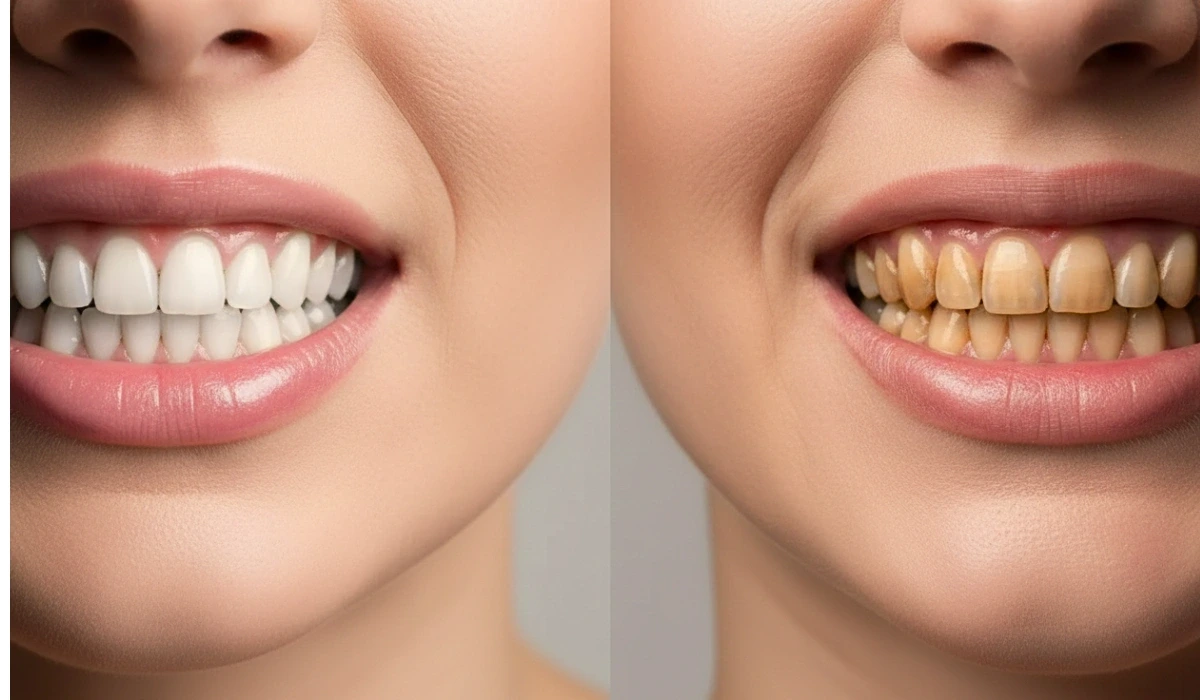
- Teeth appear darker than after initial treatment. Compare your current shade to photos from right after whitening. If you notice a clear difference, it may be time for a touch-up.
- New stains appearing. Individual spots or uneven coloring can indicate new staining from diet or lifestyle factors.
- Comparison to photos. Taking a “before and after” photo after your whitening treatment gives you a reference point. When you notice a significant change, schedule a touch-up.
- What to do when you notice fading: Schedule a professional cleaning first. Sometimes surface stains can be polished away during a cleaning, restoring brightness without a full whitening treatment. If cleaning is not enough, your dentist can recommend a touch-up with your take-home trays or a brief in-office session.
Professional Whitening vs. At-Home Products: Long-Term Value
When you calculate costs over two to three years, professional whitening often provides better value than repeated drugstore purchases.
Professional whitening costs more upfront ($300 to $800 for in-office or $200 to $400 for take-home trays) but produces results that last one to three years with minimal touch-ups.
Over-the-counter strips cost less per purchase ($20 to $50 per box) but need to be repurchased every three to six months to maintain results. Over three years, this adds up to $120 to $600 or more.
Beyond cost, professional whitening offers:
- Longer-lasting results with less frequent maintenance
- Customized treatment for your specific needs
- Dental supervision to protect enamel and gums
- Better results for deeper staining
For teens, the value calculation favors professional whitening. Developing enamel benefits from professional supervision, and custom trays can be reused for years of touch-ups as long as the fit remains good.
Long-Lasting Teeth Whitening at Bite Squad Dental of NYC
At Bite Squad Dental of NYC, we specialize in pediatric and family dentistry. Dr. Yury Slepak is a board-certified pediatric dentist with over 20 years of experience helping Brooklyn families achieve healthy, bright smiles.
Our whitening options for teens and adults include:
- Custom-fit take-home trays for convenient, long-lasting results
- Professional-strength whitening gels with pediatric-safe concentrations for teens
- Personalized treatment plans based on your staining history and goals
- Clear guidance on maintaining results for maximum longevity
With over 1,950 five-star Google reviews, Brooklyn families trust us for gentle, effective care. Our office at 2464 Coney Island Ave is designed to make patients of all ages feel comfortable.
Ready to enjoy a whiter smile that lasts? Call us at 718-998-2424 to schedule a consultation. We will evaluate your teeth, discuss your whitening goals, and recommend the approach that will give you the longest-lasting results.
Frequently Asked Questions
How often can I whiten my teeth professionally?
Most people should wait 6 to 12 months between full whitening treatments. Brief touch-ups with take-home trays may be done more frequently as recommended by your dentist.
Will my teeth stay white forever after whitening?
No. Teeth naturally accumulate stains over time from food, drinks, and aging. Whitening is a maintenance process, not a permanent fix. However, with good oral hygiene and smart dietary choices, results can last years.
Do I need to avoid certain foods after whitening?
Yes. For 24 to 48 hours after treatment, avoid coffee, tea, red wine, dark soda, berries, tomato sauce, and other staining foods. Your enamel is temporarily more porous during this window.
How long after whitening can I drink coffee?
Wait at least 48 hours after in-office whitening before drinking coffee. After that, consider using a straw and rinsing with water afterward to minimize staining.
Is it safe to do touch-up whitening on teen teeth?
Yes, when supervised by a dentist. We use lower-concentration gels appropriate for developing enamel and monitor for any sensitivity or adverse effects.
About the Author
Dr. Yury Slepak is a board-certified pediatric dentist at Bite Squad Dental in Brooklyn who helps patients maintain their whitening results long-term through personalized maintenance plans. With over 15 years of experience, he advises on touch-up schedules, dietary habits, and oral hygiene routines that extend the longevity of professional whitening treatments.
Disclaimer
Medically reviewed by Dr. Yury Slepak, DDS.
This content is for educational purposes only and is not intended as medical advice, diagnosis, or treatment. Please consult a qualified healthcare provider for personalized recommendations.
