
Medically reviewed by Dr. Yury Slepak, DDS – Diplomate, American Board of Pediatric Dentistry | 15+ Years Experience | Last Updated: March 2026
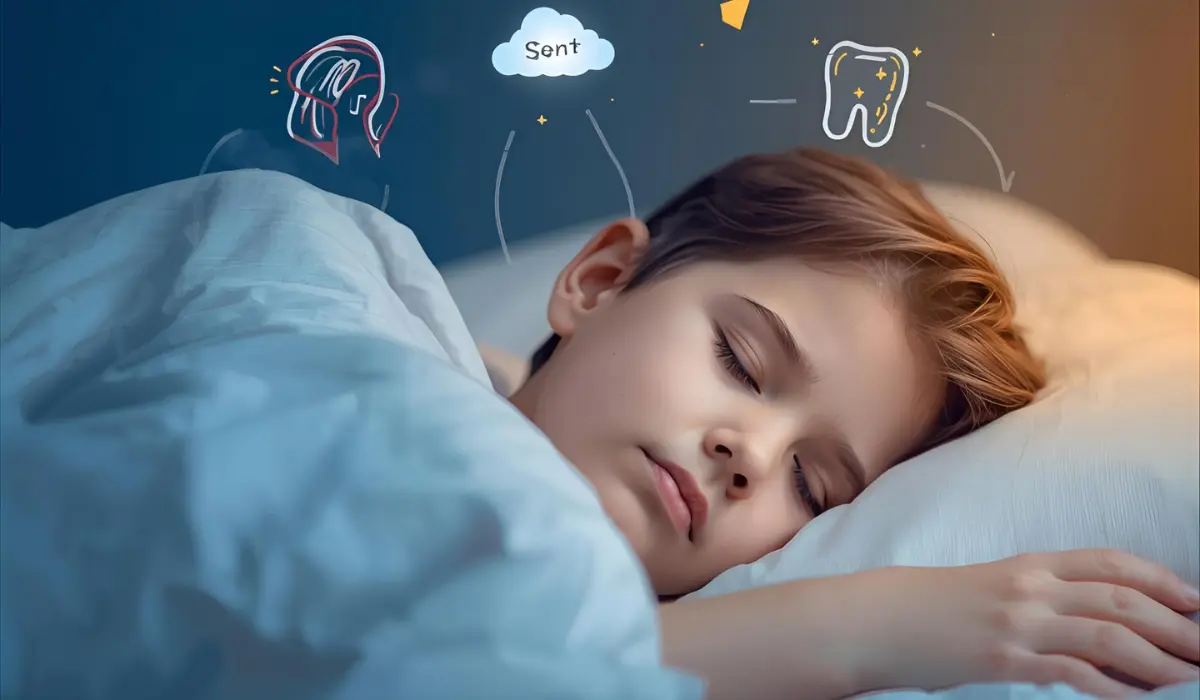
Children grind their teeth primarily due to jaw development, teething pain, or stress. This condition, called bruxism, affects up to one in three children and is usually a normal phase that children outgrow by age 6 to 9. However, if grinding continues or causes symptoms like jaw pain or worn teeth, a pediatric dentist can help determine if treatment is needed.
If you have heard your child grinding their teeth while sleeping, you are not alone. Many Brooklyn parents notice this sound and wonder whether it is normal or something to worry about. The good news is that most children outgrow teeth grinding without any lasting effects on their teeth or jaw.
Is Teeth Grinding Normal in Children?
Yes, teeth grinding is very common in young children. Studies suggest that anywhere from 15 to 33 percent of children grind their teeth at some point. It is most common in two age groups: when baby teeth are coming in and again when permanent teeth start to emerge.
Most children who grind their teeth do not even realize they are doing it. Parents typically notice the grinding sound at night or see signs of wear on their child’s teeth during a dental checkup.
The important thing to understand is that teeth grinding in children is usually temporary. Most children stop grinding on their own without needing any treatment. However, if the grinding is frequent or causing problems, it is worth discussing with your child’s pediatric dentist.
What Causes Children to Grind Their Teeth?
There are several reasons why children grind their teeth, and often more than one factor is involved.
- Teething and jaw development are the most common causes in babies and toddlers. As new teeth push through the gums, the unfamiliar sensation can lead babies to grind or clench. Similarly, as the jaw grows and teeth shift position, grinding may be a natural response to these changes.
- Bite alignment issues can also contribute to grinding. If your child’s upper and lower teeth do not fit together properly, they may grind in an unconscious attempt to find a comfortable resting position.
- Stress or anxiety plays a role for some children, especially older kids. Changes like starting a new school, the arrival of a sibling, or family stress can trigger nighttime grinding. Children may not express their worries verbally but instead manifest them physically.
- Pain or discomfort from earaches, headaches, or other conditions can sometimes cause grinding. Children may clench or grind as a response to pain elsewhere in the head and neck area.
- Sleep issues have also been linked to bruxism. Children who snore, breathe through their mouth, or have sleep apnea may be more likely to grind their teeth at night.
Signs Your Child May Be Grinding Their Teeth
Since teeth grinding often happens during sleep, your child may not be aware of it. Here are signs that may indicate your child is grinding their teeth:
You hear a grinding or squeaking sound while your child sleeps. This is often the first clue parents notice.
Your child complains of a sore jaw or face pain, especially in the morning. The muscles used for chewing can become tired and achy from nighttime clenching.
Your child mentions headaches, particularly around the temples or behind the ears. These headaches are often worse in the morning and improve throughout the day.
You notice their teeth look flattened, chipped, or worn down. Over time, grinding can wear away tooth enamel.
Your child has increased tooth sensitivity to hot or cold foods and drinks. Worn enamel exposes the more sensitive layers underneath.
Your child has disrupted sleep or seems tired during the day. Grinding can interfere with deep, restful sleep.
If you notice any of these signs, mention them at your child’s next dental appointment so the dentist can evaluate whether grinding is causing any problems.
Can Teeth Grinding Damage My Child’s Teeth?
In most cases, childhood teeth grinding does not cause permanent damage. Baby teeth are temporary, and mild grinding typically does not affect the permanent teeth developing underneath.
However, frequent or severe grinding can lead to problems over time. These may include worn tooth enamel, increased risk of cavities in weakened areas, tooth sensitivity, jaw discomfort, and in rare cases, issues with the jaw joint.
“We look for signs of teeth grinding such as enamel wear, jaw pain, or headaches,” says Dr. Yury Slepak, board-certified pediatric dentist at Bite Squad Dental of NYC. “During regular checkups, we can identify early signs of grinding and recommend the appropriate steps to protect your child’s teeth.”
The key is monitoring the situation. Regular dental visits allow your pediatric dentist to track any changes and intervene if necessary before significant damage occurs.
How to Help Your Child Stop Grinding Their Teeth
While you cannot force your child to stop grinding, there are several strategies that may help reduce the frequency and intensity.
- Establish a calming bedtime routine. A relaxed child is less likely to grind their teeth. Consider a warm bath, quiet reading time, or gentle stretching before bed. Avoid screens and stimulating activities in the hour before sleep.
- Address underlying stress or anxiety. If you suspect your child is worried about something, create opportunities for them to talk about their feelings. Sometimes simply acknowledging a child’s concerns can reduce physical symptoms like grinding.
- Ensure proper sleep habits. A consistent bedtime, a dark and quiet room, and adequate sleep duration can all help reduce grinding. Overtired children may be more prone to bruxism.
- Watch for mouth breathing or snoring. If your child regularly breathes through their mouth or snores, mention this to your pediatrician or dentist. These issues can contribute to grinding and may indicate a need for further evaluation.
- Avoid chewing on non-food items. Discourage habits like chewing on pencils, ice, or fingernails, as these can reinforce the clenching pattern.
If these approaches do not help and grinding continues, your pediatric dentist may recommend a custom night guard to protect your child’s teeth.
When Should I Take My Child to the Dentist for Teeth Grinding?
You should mention teeth grinding at your child’s next dental appointment, even if you are not overly concerned. Your dentist can examine the teeth for signs of wear and determine if any treatment is needed.
Schedule a visit sooner if your child experiences any of the following: persistent jaw pain or soreness, frequent morning headaches, visible damage to teeth such as chips or flattening, complaints about tooth sensitivity, or sleep that seems disrupted by grinding.
“Most children adjust quickly once we identify the issue and provide the right solution,” notes Dr. Slepak. “For some children, a custom night guard is comfortable and easy to adapt to. It protects teeth from grinding damage while the habit naturally resolves.”
A pediatric dentist can also rule out other potential causes of grinding, such as bite alignment problems or airway issues that may require additional attention.
Custom Night Guards for Children at Bite Squad Dental
If your child’s grinding is frequent or causing wear on their teeth, a custom night guard may be recommended. Unlike store-bought options, a custom night guard is made specifically for your child’s mouth, ensuring a comfortable fit that stays in place throughout the night.
At Bite Squad Dental of NYC, we create custom night guards by taking an impression of your child’s teeth. The guard fits snugly over the teeth and provides a protective barrier that prevents enamel damage from grinding.
Night guards do not stop the grinding habit itself, but they protect the teeth while your child naturally outgrows the behavior. Most children adapt to wearing a night guard within a few nights.
“Will my child be able to sleep with it? Yes, custom guards are comfortable and easy to adapt to,” explains Dr. Slepak. “We also teach parents how to clean and care for the guard so it stays effective.”
Trusted Pediatric Dental Care in Brooklyn
Bite Squad Dental of NYC has served Brooklyn families for over 20 years, and teeth grinding is one of the many concerns we help parents navigate every day. Dr. Yury Slepak is a board-certified pediatric dentist who graduated with honors from NYU College of Dentistry and completed his pediatric residency at Maimonides Medical Center.
Our Brooklyn office is designed with children in mind. We use a friendly, child-centered approach, explain procedures in simple terms, and provide comforting distractions like toys and videos to keep kids at ease.
With over 1,950 five-star Google reviews, Brooklyn parents trust Bite Squad Dental for gentle, expert care. Whether your child needs a routine checkup, evaluation for teeth grinding, or a custom night guard, our team is here to help.
Call 718-998-2424 to schedule your child’s appointment, or book online today.
FAQs About Children Grinding Teeth
At what age do kids stop grinding their teeth?
Most children stop grinding their teeth by age 6 to 9, often around the time their permanent teeth finish coming in. However, every child is different, and some may stop earlier or continue longer. If grinding persists into the teen years, consult with a pediatric dentist for evaluation.
Can teeth grinding cause cavities?
Grinding itself does not cause cavities, but it can wear down tooth enamel. Weakened enamel is more vulnerable to decay, so children who grind frequently may have a slightly higher cavity risk. Regular dental checkups help catch any issues early.
Should my child wear a mouth guard for teeth grinding?
A custom night guard may be recommended if grinding is causing visible wear on the teeth, jaw pain, or other symptoms. Your pediatric dentist can evaluate whether a night guard is appropriate for your child’s situation.
Is teeth grinding related to ADHD or anxiety?
Some research suggests children with ADHD or anxiety may be more likely to grind their teeth, but grinding is common in all children regardless of other conditions. If you have concerns about your child’s behavior or anxiety levels, discuss them with your pediatrician.
When should I worry about my child grinding their teeth?
Occasional grinding is usually not a concern. However, if your child grinds frequently, complains of jaw pain or headaches, or you notice visible wear on their teeth, schedule a dental appointment for evaluation. Your pediatric dentist can determine if treatment is needed.
About the Author
Dr. Yury Slepak is a board-certified pediatric dentist at Bite Squad Dental in Brooklyn who regularly treats children with bruxism and nighttime teeth grinding. With over 15 years of experience, he helps parents identify early signs of grinding, assesses potential causes like stress or jaw development, and develops customized treatment plans including custom night guards for each child.
Disclaimer
Medically reviewed by Dr. Yury Slepak, DDS.
This content is for educational purposes only and is not intended as medical advice, diagnosis, or treatment. Please consult a qualified healthcare provider for personalized recommendations.
