
Medically reviewed by Dr. Yury Slepak, DDS – Diplomate, American Board of Pediatric Dentistry | 15+ Years Experience | Last Updated: March 2026
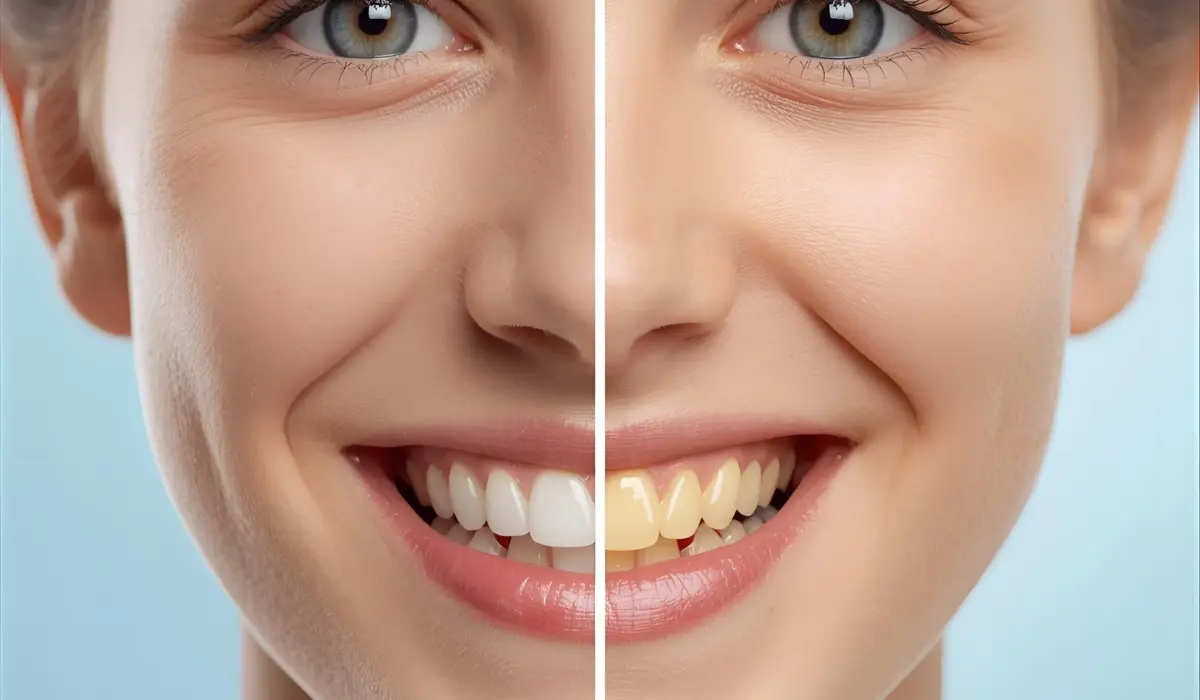
Teenage teeth often appear yellow due to the natural thickness of dentin showing through thinner enamel, combined with diet, oral hygiene habits, and lifestyle factors like braces or sports drinks. The good news is that yellow teeth in teens are usually treatable with proper dental care and safe whitening options supervised by a pediatric dentist.
If you have noticed your teenager’s smile looking dull or discolored, you are not alone. Many parents bring their teens to our Brooklyn office with the same concern. Understanding why this happens is the first step toward helping your child regain a bright, confident smile.
Is It Normal for Teenagers to Have Yellow Teeth?
Yes, some degree of yellowing is completely normal during adolescence. This often surprises parents who remember their child’s bright white baby teeth.
Permanent teeth naturally contain more dentin, the layer beneath the enamel that has a yellowish hue. Baby teeth have thicker enamel relative to their size, which masks the dentin underneath. When permanent teeth come in, the dentin shows through more visibly, especially while the enamel is still maturing.
Teenage enamel continues to harden and develop throughout adolescence. Until this process completes, usually by the mid to late teens, teeth may appear more yellow than they will in adulthood.
This does not mean your teenager has poor oral hygiene. It simply means their teeth are still developing. However, if the yellowing seems excessive or is accompanied by sensitivity, a dental evaluation can rule out other causes.
Common Causes of Yellow Teeth in Teens
While some yellowing is natural, several factors can make discoloration more noticeable in teenagers.
- Enamel is still developing. Teen enamel is thinner than adult enamel. When the outer layer is thin, the yellow dentin beneath becomes more visible. This natural yellow tint is more pronounced in permanent teeth compared to baby teeth.
- Food and drink stains. Soda, energy drinks, sports drinks, coffee, tea, and deeply pigmented foods like berries and tomato sauce can stain the outer enamel layer. Teenagers who consume these frequently often develop surface stains that dull their smile.
- Poor brushing habits. If your teen rushes through brushing or skips it altogether, plaque builds up on the teeth. Over time, this sticky film hardens into tartar, which traps stains and makes teeth look yellow. Inconsistent brushing also allows surface stains from food and drinks to set in.
- Braces and orthodontic appliances. Brackets and wires make thorough cleaning difficult. Food particles and plaque accumulate around the hardware, leading to yellow stains and uneven coloring when braces come off.
- Genetics. Some people naturally have thicker or thinner enamel based on their genes. Thinner enamel means more dentin shows through, resulting in a yellower appearance regardless of oral hygiene.
- Fluorosis. Too much fluoride exposure during early childhood can cause white spots or yellow stains on developing teeth. This is more common in areas with high fluoride levels in tap water.
- Medications. Certain antibiotics, particularly tetracycline, can cause permanent tooth discoloration if taken during tooth development. This includes exposure during pregnancy or early childhood.
- Smoking or vaping. Even occasional use stains enamel. Nicotine and chemicals found in vape products cause discoloration and harm overall dental health.
Can Yellow Teeth Become White Again?
Yes, in most cases, yellow teeth can become whiter with the right approach.
The treatment depends on what is causing the discoloration. Surface stains from food, drinks, or plaque buildup respond well to professional dental cleanings. A thorough cleaning removes tartar and polishes away stains that brushing alone cannot tackle.
For deeper discoloration caused by thin enamel or intrinsic factors, professional whitening treatments can lighten the underlying dentin safely. These treatments use controlled concentrations of whitening agents that penetrate the enamel to break down stain compounds.
“We use custom-fit whitening trays with pediatric-safe gels,” says Dr. Yury Slepak, board-certified pediatric dentist at Bite Squad Dental of NYC. “By using low-concentration gels and monitoring tooth health before starting, we ensure safe results for younger patients.”
Not every teen needs whitening. Sometimes a professional cleaning and improved brushing habits are enough to restore brightness. A pediatric dentist can evaluate your child’s teeth and recommend the most appropriate solution.
Safe Ways to Whiten a Teenager’s Teeth
When whitening is appropriate, professional supervision is essential for teenagers.
- Professional dental cleaning. This should always be the first step. Removing plaque, tartar, and surface stains often makes a significant difference in tooth color without any whitening treatment.
- Dentist-supervised whitening trays. Custom-fit trays ensure even application and prevent the whitening gel from irritating gums. The dentist controls the concentration and monitors progress to avoid sensitivity or damage to developing enamel.
- In-office whitening. For faster results, some teens may be candidates for professional in-office whitening. This is done under direct supervision with protective measures in place.
- Why over-the-counter products may not be ideal. Store-bought whitening strips and gels are designed for adults. They use one-size-fits-all trays that can cause uneven whitening and gum irritation. Without professional guidance, teens may overuse these products, increasing the risk of sensitivity and enamel damage.
At Bite Squad Dental of NYC, we recommend starting whitening treatments around age 14 to 16, once permanent teeth have fully erupted. Every teen is different, so we evaluate dental development before recommending any whitening procedure.
How to Prevent Yellow Teeth in Teenagers
Prevention is always easier than treatment. Here are practical steps to help your teen maintain a brighter smile.
- Brush properly twice daily. Encourage your teen to brush for a full two minutes, twice a day, using fluoride toothpaste. Electric toothbrushes can help ensure thorough cleaning.
- Floss daily. Flossing removes plaque and food particles from between teeth where brushing cannot reach. This prevents staining and decay in those hidden areas.
- Limit staining foods and drinks. Reduce consumption of soda, energy drinks, coffee, and tea. When your teen does consume these, encourage them to rinse with water afterward.
- Use a straw. Drinking staining beverages through a straw minimizes contact with the front teeth.
- Clean around braces carefully. If your teen wears braces, ensure they use interdental brushes or floss threaders to clean around brackets and wires thoroughly.
- Schedule regular dental cleanings. Professional cleanings every six months remove buildup and surface stains before they become permanent.
When to See a Dentist About Your Teen’s Yellow Teeth
While some yellowing is normal, certain signs warrant a dental visit.
Schedule an appointment if you notice:
- Sudden or uneven yellowing that was not there before
- Yellow or brown spots on specific teeth
- Sensitivity to hot, cold, or sweet foods
- White spots that could indicate early decay or fluorosis
- Yellow stains that do not improve with better brushing
A pediatric dentist can determine whether the discoloration is cosmetic or a sign of an underlying issue like decay, enamel defects, or medication-related staining.
If your teen is self-conscious about their smile and wants whiter teeth, a consultation can help determine if they are ready for whitening and which method is safest for their developing teeth.
Teen Teeth Whitening at Bite Squad Dental of NYC
At Bite Squad Dental of NYC, we specialize in pediatric and adolescent dentistry. Dr. Yury Slepak is a board-certified pediatric dentist with over 20 years of experience caring for children’s smiles in Brooklyn.
We understand that yellow teeth can affect a teenager’s confidence. Our approach prioritizes safety first. We evaluate your teen’s dental development, check for any underlying issues, and recommend age-appropriate solutions.
Our teeth whitening options for teens include:
- Professional cleanings to remove surface stains
- Custom-fit whitening trays with pediatric-safe, low-concentration gels
- Personalized treatment plans based on your teen’s unique needs
With over 1,950 five-star Google reviews, Brooklyn families trust us to provide gentle, effective care for their children. Our office is designed to make kids and teens feel comfortable, with a friendly team that knows how to put nervous patients at ease.
Ready to help your teen smile brighter? Call us at 718-998-2424 or visit our Brooklyn office at 2464 Coney Island Ave, Floor 2, Brooklyn, NY 11223 to schedule a consultation.
Frequently Asked Questions
What age can my teenager start whitening their teeth?
We recommend starting whitening treatments around age 14 to 16, once all permanent teeth have fully erupted and enamel has matured. A dental evaluation can determine if your teen is ready.
Are whitening strips safe for teens?
Over-the-counter whitening strips are not ideal for teenagers. They lack professional supervision and may cause uneven results, gum irritation, or sensitivity. Dentist-supervised whitening is safer for developing teeth.
How long does professional whitening last for teenagers?
Results typically last one to three years depending on diet and oral hygiene habits. Avoiding staining foods and drinks helps maintain brightness longer.
Will my teen’s teeth stay white after treatment?
With proper care, results can last for years. Regular brushing, flossing, and dental cleanings help maintain whitening results. Touch-up treatments are available if needed.
About the Author
Dr. Yury Slepak is a board-certified pediatric dentist at Bite Squad Dental in Brooklyn who frequently treats teens with tooth discoloration and staining concerns. With over 15 years of experience, he helps families understand the root causes of yellow teeth in adolescents and recommends age-appropriate whitening and hygiene solutions tailored to each patient.
This article is for informational purposes only and does not constitute medical advice. Always consult with a board-certified pediatric dentist for personalized evaluation and treatment recommendations.